

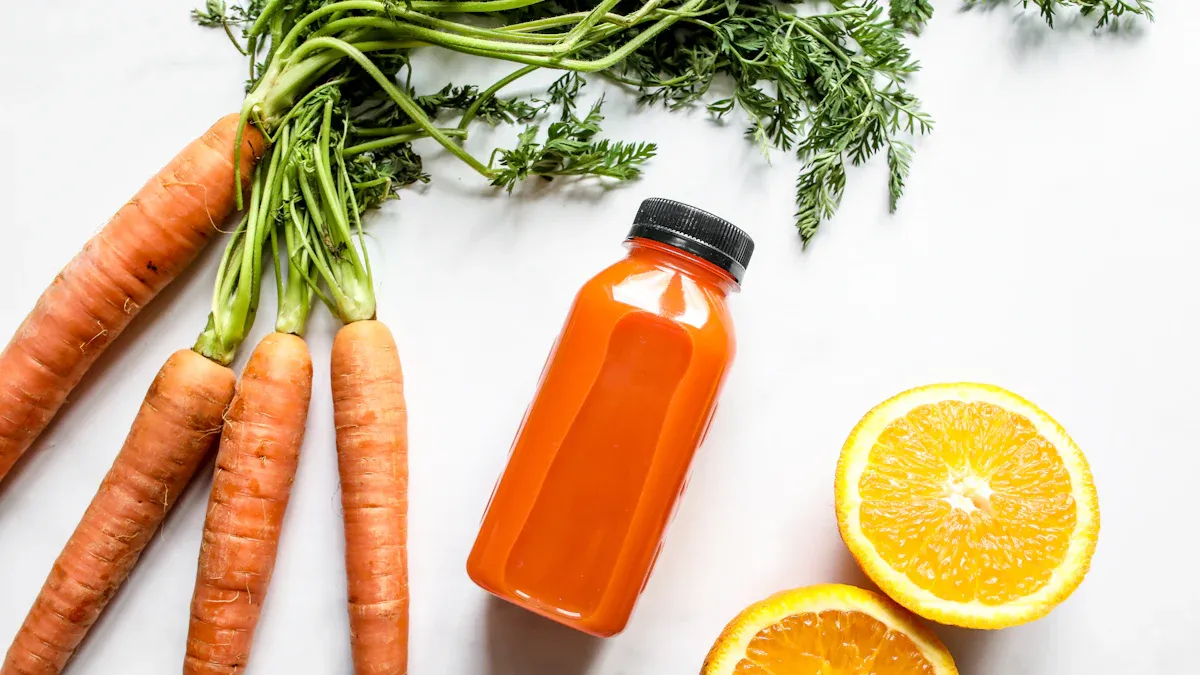
Beta-carotene plays a vital role in your health, offering numerous health benefits. As an antioxidant, it helps protect your body from damage caused by free radicals. Your body converts beta-carotene into vitamin A, which is essential for good vision and immune function. Understanding its health benefits can inspire you to include more beta-carotene-rich foods in your diet.
Key Takeaways
Beta-carotene is a powerful antioxidant that protects your body from free radicals, supporting overall health.
Incorporate beta-carotene-rich foods like carrots, sweet potatoes, and dark leafy greens into your diet for better eye health and cognitive function.
Cooking methods matter! Steaming vegetables retains the most beta-carotene, while pairing them with healthy fats enhances absorption.
What is Beta-Carotene?
Definition and Sources
Beta-carotene is a type of carotenoid, which is a pigment found in many fruits and vegetables. It gives these foods their vibrant orange and yellow colors. You can find beta-carotene in a variety of sources, including:
Baked Sweet Potatoes: 23018 mcg per cup
Carrots: 12998 mcg per cup cooked
Dark Leafy Greens (Spinach): 11318 mcg per cup cooked
Butternut Squash: 9369 mcg per cup cooked
Cantaloupe: 3575 mcg per cup
Romaine Lettuce: 2456 mcg per cup
Red Bell Peppers: 2059 mcg per cup cooked
Apricots: 1696 mcg per cup
Broccoli: 1449 mcg per cup cooked
Podded Peas: 1216 mcg per cup cooked
These foods not only provide beta-carotene but also offer a wealth of other nutrients that contribute to your overall health.
How It Works
Once you consume beta-carotene, your body converts it into vitamin A, which is crucial for various bodily functions. The conversion process involves an enzyme called 15, 15′ monooxygenase, which helps transform beta-carotene into retinal in your intestines. However, keep in mind that the efficiency of this conversion decreases as your intake of beta-carotene increases. This means that if you eat a lot of beta-carotene-rich foods, your body may not convert all of it into vitamin A.
Beta-carotene also acts as a powerful antioxidant. It helps neutralize free radicals, which are unstable molecules that can cause cellular damage. Research shows that the all-E form of beta-carotene has scavenging activity that is approximately 20 times higher than that of alpha-tocopherol, another well-known antioxidant. This means that beta-carotene can play a significant role in your body’s defense against oxidative stress.
Here’s a quick overview of beta-carotene’s chemical properties:
Property | Description |
|---|---|
Molecular Weight | 536.888 |
Molecular Formula | C40H56 |
Structure | Polycarbonate structure contributing to high hydrophobicity |
Melting Point | 183°C, resistant to cooking heat but not frying |
Classification | Belongs to terpenoids, classified as a carotenoid |
Color | Gives food an orange-yellowish coloration |
Extraction Color | Purple when dissolved in methanol or benzene |
Storage Conditions | Should be stored under refrigeration in glass containers |
Incorporating beta-carotene into your diet can help ensure you get enough vitamin A while also benefiting from its antioxidant properties. So, next time you’re at the grocery store, consider reaching for those colorful fruits and vegetables!
Health Benefits of Beta-Carotene
Eye Health
Beta-carotene is well-known for its role in promoting eye health. It converts into vitamin A, which is essential for maintaining good vision. Research shows that a diet rich in beta-carotene can help reduce the risk of age-related macular degeneration (AMD), a leading cause of vision loss in older adults.
Here’s a summary of a significant study on this topic:
Study Description | Findings |
|---|---|
Long-Term Effects of Vitamins C, E, Beta-Carotene and Zinc on Age-Related Macular Degeneration. AREDS Report No. 35 | The study demonstrated that a high-dose antioxidant vitamins plus zinc formulation was effective in retarding the progression of age-related macular degeneration (AMD). |
Five years post-trial | The beneficial effects of the AREDS formulation persisted for the development of neovascular AMD but not for central geographic atrophy (CGA). |
By including beta-carotene-rich foods in your diet, you can help protect your eyes and maintain your vision as you age.
Cognitive Function
Beta-carotene also plays a vital role in cognitive function. Studies indicate that long-term consumption of beta-carotene may help improve cognitive abilities and reduce the risk of cognitive decline. Here are some key findings:
Research indicated that men taking beta-carotene supplements for 15 years or longer experienced less cognitive decline.
Better verbal memory was observed in those who consumed beta-carotene compared to non-consumers.
Higher total carotenoid intake was associated with better cognition in older adults over a follow-up period of 30 years.
These findings suggest that incorporating beta-carotene into your diet could support your brain health and improve your overall cognitive function.
Skin Protection
When it comes to skin health, beta-carotene offers impressive benefits. It helps protect your skin from UV damage caused by sun exposure. Research shows that dietary intake of carotenoids, including beta-carotene, can lead to protective effects against skin damage.
While the sun protection factor from dietary sources is lower than that of topical sunscreens, consistent intake of beta-carotene can enhance your skin’s defense against UV radiation over time. It’s important to remember that while beta-carotene protects skin, it should not replace traditional sun protection measures.
Antioxidant Benefits
As an antioxidant, beta-carotene helps combat oxidative stress in your body. It neutralizes free radicals, which can cause cellular damage. This antioxidant activity is crucial for maintaining overall health.
Beta-carotene can quench singlet oxygen and react with various free radicals, helping to reduce oxidative stress. Studies have shown that it prevents or decreases oxidative damage to DNA, lipids, and proteins. By including beta-carotene in your diet, you can support your body’s natural defenses against oxidative stress.
Cancer Risk Reduction
Finally, beta-carotene may play a role in cancer prevention. Epidemiological studies have found consistent associations between low dietary beta-carotene and increased risks of certain cancers, particularly lung and stomach cancer.
Observational studies indicate a consistent association between a diet rich in beta-carotene and reduced cancer risk at sites like lung and stomach.
High beta-carotene intake is linked to a protective effect against cardiovascular disease.
While intervention studies have not conclusively confirmed the protective effects of beta-carotene against cancer, the evidence suggests that including it in your diet may help lower your cancer risk.
Foods Rich in Beta-Carotene
Fruits and Vegetables
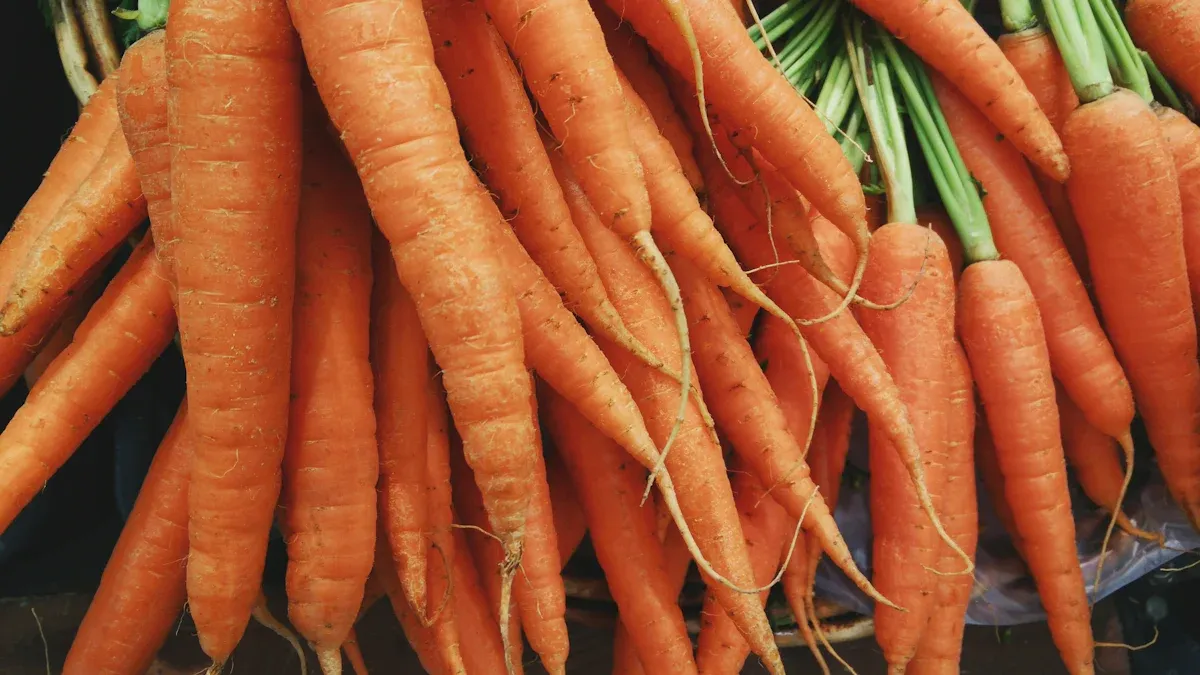
You can find beta-carotene in a variety of delicious fruits and vegetables. Here’s a list of some of the top foods that are rich in beta-carotene:
Pumpkin: 14195 to 24422 μg/100 g
Carrots: 459 mcg per serving
Spinach: 573 mcg per serving
Sweet Red Pepper: 117 mcg per serving
Alphonso Mangoes: 11789 μg/100 g
In addition to these, leafy greens like Basella rubra and Amaranthus gangeticus also pack a punch with beta-carotene levels of 2199 μg/100 g and 7753 μg/100 g, respectively. You can enjoy these vibrant foods in salads, smoothies, or as side dishes.
Cooking Tips
Cooking methods can affect the amount of beta-carotene you get from your meals. Here are some tips to help you maximize your intake:
Steaming: This method retains the most beta-carotene. Steaming vegetables like carrots and spinach can keep their nutrients intact.
Boiling: While boiling can lead to some nutrient loss, it still retains about 66% to 82% of beta-carotene. Just be mindful of cooking time.
Pair with Healthy Fats: Combine beta-carotene-rich foods with healthy fats like avocado or olive oil. This pairing enhances absorption in your digestive tract.
By incorporating these cooking tips, you can enjoy a diet high in beta-carotene while reaping its health benefits. So, get creative in the kitchen and make those colorful fruits and vegetables a staple in your meals!
Risks of Beta-Carotene
Excessive Intake Risks
While beta-carotene offers many health benefits, consuming too much can lead to some unwanted side effects. Here’s a quick look at the symptoms and health risks associated with excessive beta-carotene intake:
Symptoms/Health Risks | Description |
|---|---|
Yellowing of the skin (carotenodermia) | A common symptom that resolves over time. |
Headache | A possible side effect of excessive intake. |
Burping | Another potential side effect. |
Loose stools | Can occur with high intake levels. |
Bruising | May be experienced by some individuals. |
Joint pain | Reported as a side effect. |
Increased cancer risk | Particularly in smokers and heavy drinkers. |
Risk of liver disorder or heart disease | Especially for those with a history of asbestos exposure. |
If you’re considering beta-carotene supplements, be cautious. High doses can lead to serious health issues, especially for those with certain risk factors.
Nutrient Interactions
Beta-carotene doesn’t work alone; it interacts with other nutrients in your body. Understanding these interactions can help you make informed dietary choices. Here’s how beta-carotene interacts with some key vitamins:
Nutrient Interaction | Description |
|---|---|
Vitamin C & Vitamin E | Act synergistically as antioxidants, with vitamin C being hydrophilic and vitamin E being lipophilic. |
Vitamin C & Beta-Carotene | Interaction is improbable. |
Vitamin E & Beta-Carotene | Interaction may be possible, with beta-carotene acting as a weak antioxidant. |
If you take beta-carotene supplements, consider how they might affect your intake of other vitamins. Balancing your nutrient intake is essential for maintaining good health.
Incorporating beta-carotene into your diet can significantly boost your health. This powerful antioxidant supports eye health, cognitive function, and skin protection. Aim to include foods like carrots, sweet potatoes, and dark leafy greens in your meals. Remember, it’s best to get beta-carotene from food rather than supplements. If you have questions, consult a healthcare professional for personalized advice.
FAQ
What is beta-carotene good for?
Beta-carotene is great for eye health, skin protection, and boosting your immune system. It also acts as an antioxidant, helping to fight free radicals.
Can I get enough vitamin A from beta-carotene?
Yes, your body converts beta-carotene into vitamin A. Eating a variety of colorful fruits and vegetables can help you meet your vitamin A needs.
Are there any side effects of taking beta-carotene supplements?
Taking too much beta-carotene can cause skin yellowing and other side effects. It’s best to get it from food sources instead of supplements.